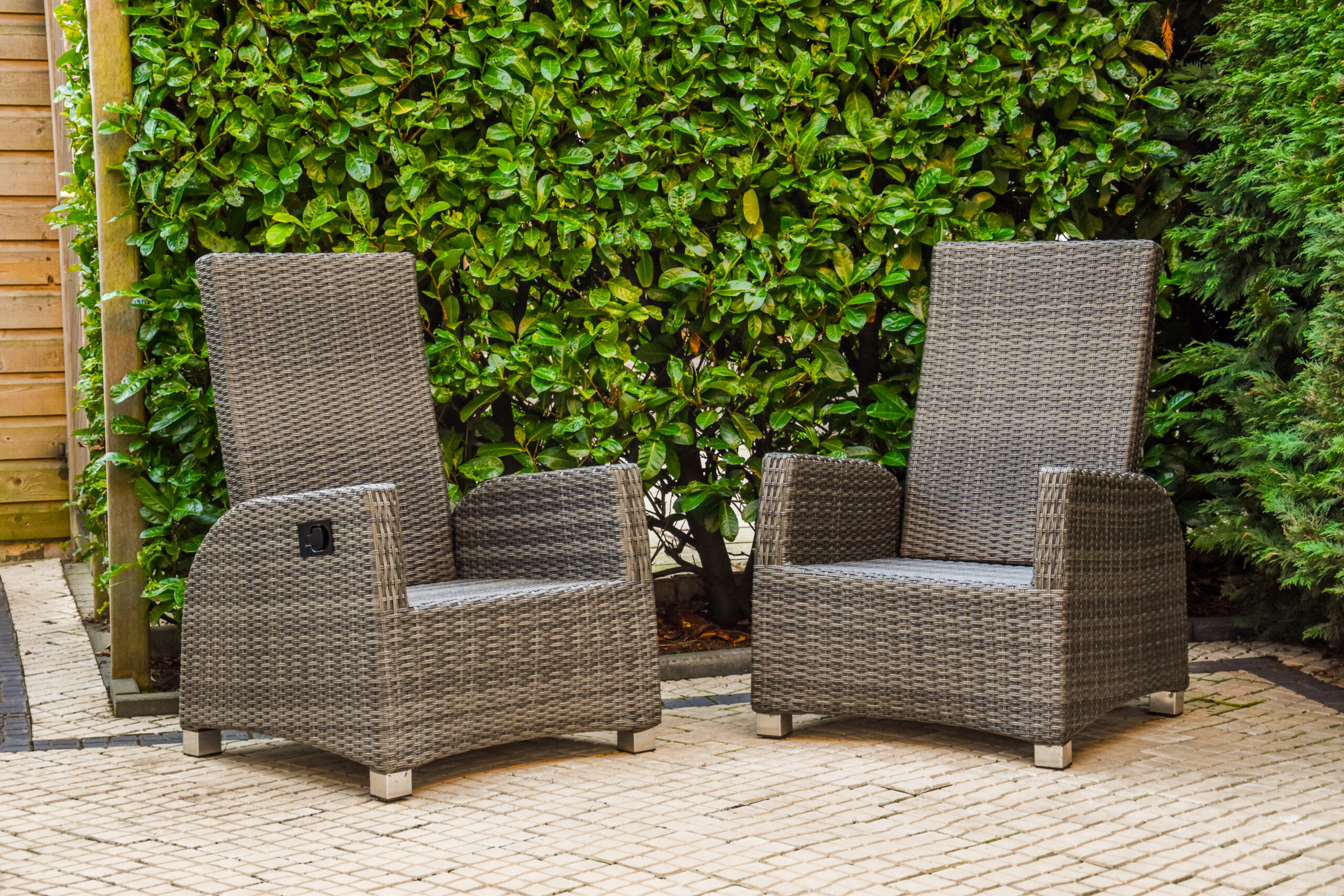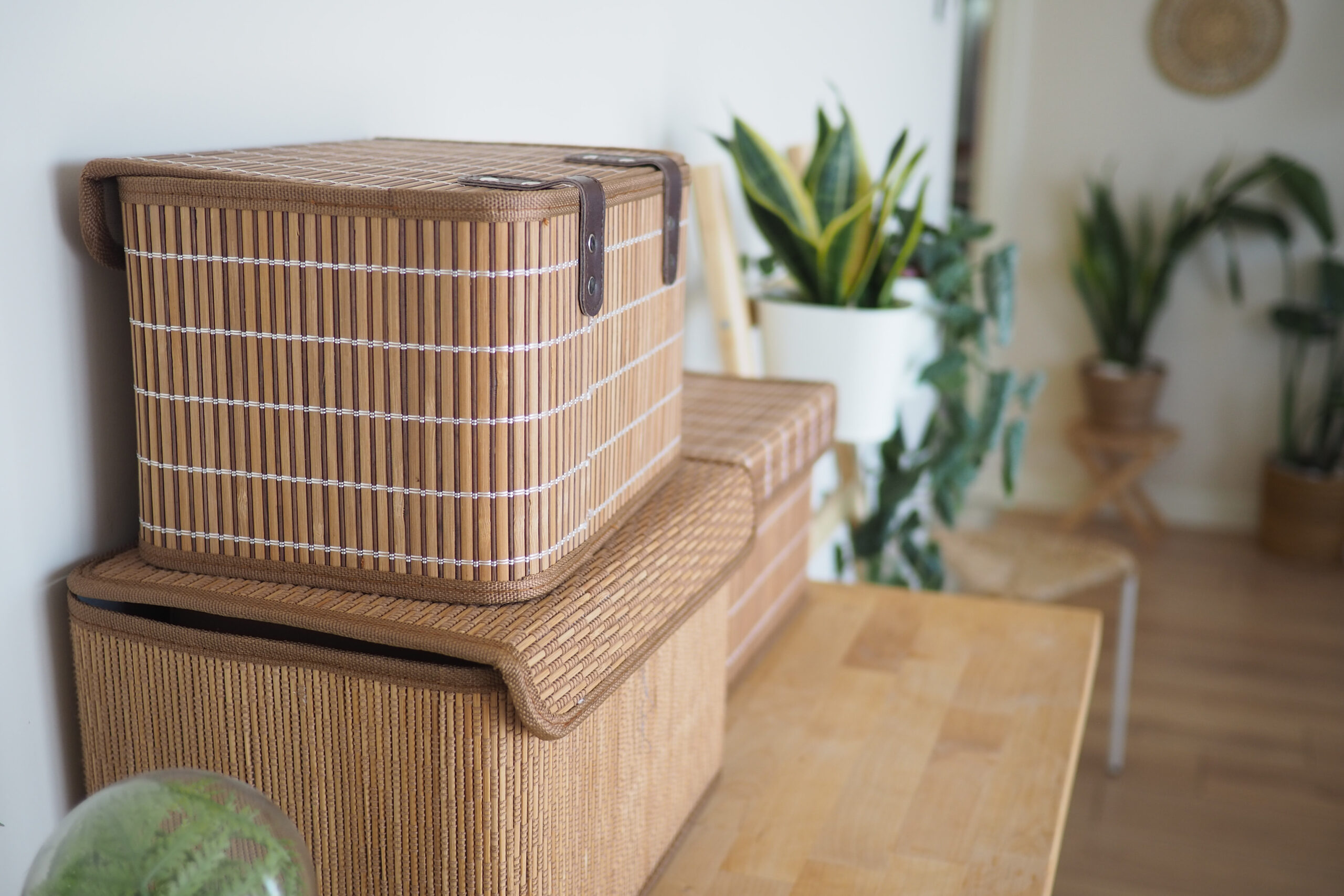
A garden storage box is one of those unglamorous buys that quietly saves you money. Outdoor cushions are showerproof at best, and a winter of damp, frost and mould can ruin a set that cost a small fortune. Bring them indoors and they take over the spare room. Pop them in a decent box next to the sofa and they stay dry, clean and ready for the first sunny weekend.
Not every box is up to a British winter, though. Some let water in at the lid, some trap condensation, and some are simply too small for a full corner sofa’s worth of cushions. Here’s what to look for, what to avoid and how to keep everything inside fresh until spring.
Why cushions need proper winter storage
Most garden cushions use a water-repellent fabric over foam. That’s fine for a passing shower, but leave them out for weeks and water works its way into the seams. Wet foam takes days to dry in cold weather, and that’s when mildew sets in. Even under a furniture cover, cushions can soak up moisture from the air.
A garden storage box gets them off the ground, out of the rain and away from muddy paws and nesting mice. It also means you’re not lugging armfuls of cushions through the house every time the weather turns. Pair it with a good protective cover over the frame, and your whole set should come through winter looking much as it went in.

How big should your garden storage box be?
Boxes are sold by capacity in litres, which isn’t the easiest way to picture things. As a rough guide, measure your thickest seat cushion and count how many you have, including back cushions and scatter cushions. Deep sofa cushions take up far more room than flat dining pads.
| Capacity | Roughly holds | Good for |
|---|---|---|
| Up to 300 litres | Four to six dining chair pads | Bistro and small dining sets |
| 300 to 500 litres | Cushions from a compact sofa set | Four-seater sofa or cube sets |
| 500 to 700 litres | Most of a corner sofa’s cushions | Five to seven seat corner sets |
| Two boxes | A full large set plus throws | Eight seats and above |
If in doubt, go bigger. A large garden storage box gives you room to stand cushions on their edges, which lets air move around them, and leaves space for parasol covers, throws and the odd bag of lava stones. Check the external dimensions too, so it fits the spot you have in mind.
Waterproof or water-resistant?
This is the big one. Many boxes are described as weatherproof or water-resistant, which usually means they’ll keep off light rain but may let water in during a downpour or if puddles form on the lid. A waterproof garden storage box usually has a sealed or overlapping lid, a raised base and either a fully moulded shell or a zipped waterproof inner bag.
- Lid design: a sloped or domed lid sheds water. Flat lids collect it, especially if you use the box as a seat.
- Inner lining: rattan-effect boxes often rely on a fabric liner. A zipped liner is better than an open one.
- Raised base: feet or a raised floor stop water wicking up from wet paving.
- Drainage: a small drain hole in the base lets out any water that does get in.
Even the best boxes can get condensation inside on cold, damp days. That’s normal, and it’s why ventilation matters as much as waterproofing.
Rattan, plastic or wood?
Rattan-effect boxes
A rattan cushion storage box matches your furniture, so it looks like part of the set rather than an afterthought. Most are PE rattan woven over a steel or aluminium frame, with a waterproof liner inside. They look the smartest but the weave itself isn’t waterproof, so the liner is doing the work. Check it’s included and replaceable.
Plastic and resin boxes
Moulded resin boxes are the most reliably waterproof and the easiest to wipe clean. Many come in a wood-grain or rattan-effect finish. The downside is they can look a little utilitarian and cheaper ones may warp or fade in strong sun.
Wooden boxes and benches
Timber looks lovely in a cottage garden, but it needs treating every year or two and is rarely fully waterproof. Use a liner or bags inside if you go for wood.


Features worth having
- Gas-lift lid: holds the lid open so it doesn’t slam on your fingers.
- Wheels: handy if you want to move the box under cover in the worst weather.
- Bench seat: some boxes double as seating, though check the weight limit before you sit on one.
- Lockable latch: useful if the box is in a front garden or holds tools as well as cushions.
- Air vents: small vents reduce condensation and that musty smell.
Prices start from around £60 for smaller resin boxes and from around £120 for a large rattan-effect box with a liner and wheels. Browse the full range in our garden storage collection.
How to store cushions so they stay fresh
The box only does half the job. How you pack it makes a real difference.
- Make sure cushions are completely dry. Putting away damp cushions is the fastest route to mildew. Dry them indoors for a day if you need to.
- Brush and clean first. Remove crumbs, leaves and bird droppings. Our cleaning guide covers cushion covers as well as frames.
- Stand cushions on edge. This lets air move between them and stops the bottom ones being crushed.
- Add moisture absorbers. A couple of moisture traps or silica sachets help on damp winters.
- Air them on dry days. Open the lid for an hour on a bright winter afternoon now and then.
Don’t wrap cushions in plastic bin bags. They trap moisture and make mildew more likely, not less. Breathable cotton or cushion storage bags are a better choice.
Where to put your storage box
Ideally, place it on a level, hard surface close to the furniture, out of the worst wind and away from overhanging trees that drop sap and leaves. A spot against the house wall gets a bit of shelter. Avoid low ground where puddles form after rain. If you also use a heater over winter, keep the box a sensible distance from it, as our patio heater guide explains. For tips on protecting the furniture itself, see our garden furniture covers guide.
When spring arrives, give the cushions a good airing and a light wash before they go back on the sofa. If they’re flattened or faded after a few seasons, replacement garden cushions freshen up the whole set.
Garden storage box FAQs
Are garden storage boxes really waterproof?
Some are, many aren’t. Moulded resin boxes with sealed lids are the most reliable. Rattan-effect boxes rely on an inner liner, so check one is included.
Why do cushions go mouldy in a storage box?
Usually because they went in damp, or because condensation built up with no airflow. Store them dry, on edge and with a moisture absorber.
Can I sit on a garden storage box?
Only if it’s sold as a storage bench or the listing gives a seat weight limit. Standard boxes can crack or bow under an adult’s weight.
Can I keep a garden storage box outside all year?
Yes, that’s what they’re designed for. Clean it in spring, check the liner and hinges, and keep the lid clear of standing water.