Rattan garden furniture is famously low-maintenance, but “low” isn’t “no”. A little care a few times a year keeps the woven strands bright, the cushions fresh and the whole set looking like new for years. The good news is you don’t need anything special, just a brush, some warm water and an hour on a dry afternoon. Here’s exactly how to clean rattan garden furniture, step by step, plus how to tackle mould, look after the cushions and get it through a British winter.
What you’ll need
Learning how to clean rattan furniture doesn’t call for a special kit. Most of this is probably already under your sink or in the shed:
- A soft brush, or a vacuum with a brush attachment
- A bucket of warm water
- Mild washing-up liquid or a gentle outdoor furniture cleaner
- A soft cloth or sponge
- An old toothbrush for tight corners
- A garden hose with a gentle spray nozzle
- White vinegar, for stains and mould spots
Skip anything abrasive. Scouring pads, wire brushes and harsh solvent cleaners can scratch or dull synthetic rattan, and once the surface has become rough it picks up grime even faster.
How to clean rattan garden furniture in 5 steps
1. Remove the cushions
Take off all the cushions and set them aside to clean separately. It’s also a good moment to check the zips and covers for damage.
2. Brush off loose dirt
Use a soft brush or a vacuum’s brush attachment to remove dust, leaves, cobwebs and pollen from the weave. Get into the gaps and corners with a toothbrush. Doing this dry first means you’re not just turning dust into mud when you add water.
3. Wash with warm soapy water
Mix a squirt of mild detergent into warm water. Wipe the weave with a soft cloth or sponge, working along the strands rather than against them. Don’t soak it; a damp cloth does the job, and you can go back over grubby areas.
4. Rinse
Rinse with a gentle spray from the garden hose to wash away the soap. Avoid a high-pressure jet. Pressure washers can force water into the frame, lift the ends of the weave and leave you with a repair job.
5. Dry completely
Leave the furniture to dry thoroughly in the sun or a breezy spot before putting the cushions back. This stops mildew forming in the cushions and in the gaps of the weave. On a cool day, give it longer than you think and wipe off any pooled water with a dry cloth.
How often should you clean rattan furniture?
A regular light clean saves you a big scrub later. The best time to clean is a dry, mild day, so everything can dry out properly afterwards. As a rough rhythm:
- Weekly in summer: a quick brush or wipe, especially after a windy day or heavy pollen.
- Every few months: a full wash as above.
- Spring and autumn: a deep clean before and after the season, including under the seats and the feet.
Furniture under trees, near a busy road or by the coast will need cleaning more often, as sap, traffic grime and salty air all build up quicker.
Removing stains and mould
For stubborn marks, mix one part white vinegar with two parts warm water and scrub gently with a soft brush, then rinse well. For mould or mildew spots, the same mix works, or use a dedicated outdoor furniture mould remover and follow the product label. Don’t use bleach on coloured rattan, as it can leave pale patches that won’t come back.
A few common culprits:
- Bird droppings: come off easiest when fresh. Soften dried ones with a damp cloth before wiping.
- Tree sap: soften with soapy water, then work it off gently. Don’t pick at it with anything sharp.
- Food and drink spills: wipe up quickly, then wash the area with soapy water so nothing sticky attracts insects.
- Green algae: usually a sign the furniture is staying damp. Clean it off, then move the set somewhere airier or improve drainage under the feet.
Cleaning the cushions
Most rattan furniture cushions have removable covers. Check the care label first, but many can go in the washing machine on a cool, gentle cycle. Zip the covers up before washing to protect them, and air-dry rather than tumble-dry to avoid shrinking. Spot-clean foam inserts with a damp cloth and a little soap, then let them dry fully before the covers go back on, otherwise you’ll trap damp inside.
If the cushions are flat, faded or past saving, a set of replacement cushions is a far cheaper fix than a new set of furniture.
Cleaning glass table tops
Lift the glass off if you can and clean both sides. Warm soapy water and a microfibre cloth work best. Finish with a glass cleaner or a splash of vinegar in water for a streak-free shine, and wipe the table frame underneath while the glass is off, as dirt collects where the two meet. This is especially worth doing on a dining set; our rattan dining set guide covers tops and frames in more detail.

VonHaus Waterproof Garden Furniture Set Cover
Breathable 420D Oxford fabric that keeps a whole set dry.
Check price on Amazon
Kipiea L-Shaped Rattan Corner Sofa Cover
Heavy-duty 420D fabric shaped to fit corner sofas.
Check price on Amazon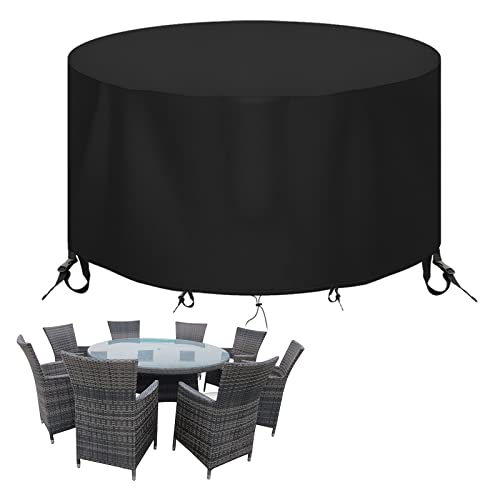
Heavy-Duty Round Patio Table Cover
600D waterproof fabric for round rattan dining sets.
Check price on AmazonStoring rattan furniture over winter
Synthetic PE rattan on an aluminium frame can stay outside all year, but a little winter prep goes a long way. Autumn is when knowing how to clean rattan garden furniture properly pays off most, because dirt left on over winter is far harder to shift in spring:
- Give it a full clean and let it dry completely.
- Bring the cushions indoors or into a dry shed.
- Use a breathable, waterproof fitted cover, as a non-breathable one can trap condensation.
- Raise the feet slightly off wet ground if you can.
- Check under the cover every few weeks for damp, and air it on dry days.
Aluminium and powder-coated steel frames are robust, but if the paint on a steel frame is chipped, touch it up before winter so rust can’t get a foothold.
Smaller items like an egg chair or a bistro set are easier to move into a shed or garage. Our egg chair guide has tips on stands that fold away.
How to clean and maintain natural rattan furniture
Everything above is for synthetic (PE) rattan, which is what nearly all outdoor furniture is made of. Natural rattan, cane and wicker furniture are a different material and need gentler care. Natural rattan is an indoor or conservatory material, so don’t leave natural rattan furniture outdoors, as rain and strong sunlight will dry it out, crack it or cause it to go mouldy.
If you’re wondering how to clean rattan furniture that’s natural rather than synthetic, the answer is: gently. Dust it with a soft brush or the brush attachment on your vacuum, then wipe with a cloth that’s barely damp. Let it dry thoroughly away from direct heat. Some people rub in a little boiled linseed oil now and then to stop natural rattan drying out, but test it on a hidden spot first and check with the maker, especially if the piece is painted or varnished. Never use linseed oil on synthetic rattan. Browse our conservatory furniture if you’re after pieces for indoors.
Rattan cleaning FAQs
Can I pressure wash rattan furniture?
We wouldn’t. Even on a low setting, a jet can force water into the frame and loosen the weave. A gentle hose and a soft brush are safer and just as effective.
What happens if rattan gets wet?
Synthetic PE rattan is designed to cope with rain, so getting wet is fine as long as it can dry out. Natural rattan and wicker are different: they can swell, warp or grow mould if they stay damp, which is why they belong indoors.
Can I use washing-up liquid on rattan?
Yes, a small amount in warm water is ideal. Rinse it off afterwards so no soapy film is left to attract dirt.
How do I make wicker or rattan look new again?
A deep clean often brightens synthetic rattan more than you’d expect, and natural wicker can be revived with a gentle clean and, where the maker allows, a little oil. Badly faded PVC rattan usually can’t be restored, which is why UV-stable PE rattan is worth paying a bit more for. See our buying guide for what to look for.
What is the average lifespan of rattan furniture?
It depends heavily on the quality of the weave and frame and on how it’s looked after. Good PE rattan on an aluminium frame, cleaned regularly and covered over winter, can last many years. Cheaper sets left out uncovered tend to fade and split much sooner.