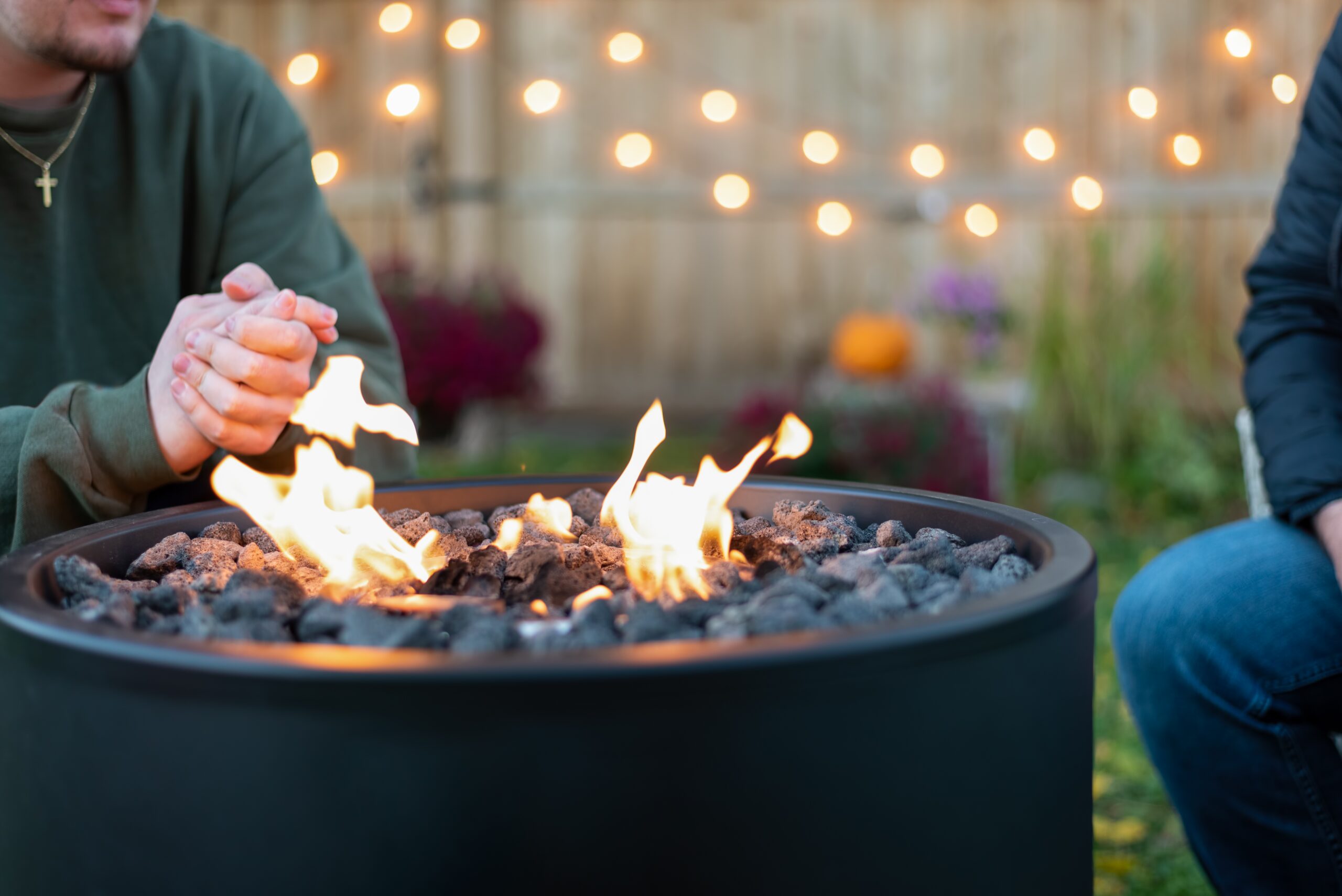
“Is it legal to have a fire pit in my garden?” is a fair question to ask before you spend money on one, especially if your neighbours are close and your washing line is closer. The short answer for most of the UK is yes. There’s no general law that bans fire pits, chimineas or garden fires on private land. But there are rules about smoke, nuisance and what you burn, and they’re worth knowing so a cosy evening doesn’t turn into a letter from the council.
Here’s a plain guide to the fire pit rules in the UK, how to keep the peace with the people next door, and the simple habits that keep you on the right side of the law. It’s general information, not legal advice, so check with your local council if you’re unsure.
Is it legal to have a fire pit in my garden in the UK?
In England, Scotland, Wales and Northern Ireland, you’re generally allowed to use a fire pit in your own garden. There are no set hours or days when fires are banned, and you don’t need permission or a licence for a portable fire pit, fire bowl or gas fire pit table.
What the law does care about is the effect your fire has on other people. That’s where nuisance rules, road safety rules and rules on burning waste come in. Your tenancy agreement, lease or property deeds can also add restrictions of their own.
Smoke nuisance: the rule that matters most
Under the Environmental Protection Act 1990, councils can take action if smoke from your garden is a statutory nuisance. In practice, that means smoke that regularly and unreasonably interferes with a neighbour’s use or enjoyment of their home, or harms their health. Think of smoke pouring through open windows, filling a garden while washing is out, or a fire that happens several times a week.
A single evening round a fire pit is unlikely to count. Councils usually look at how often it happens, how long it lasts, how much smoke there is and how it affects the people around you. If they decide it’s a statutory nuisance, they can serve an abatement notice telling you to stop or limit it. Ignoring that notice is an offence and can lead to a fine.
The easiest way to avoid any of this is to keep smoke to a minimum in the first place. More on that below.

Other UK rules worth knowing
Smoke drifting over a road
Under the Highways Act 1980, you can be fined if smoke from a fire drifts across a road and endangers or interrupts traffic. If your garden backs onto a busy road, keep fires small, use dry fuel and watch the wind direction.
Burning waste
A fire pit is for firewood, not rubbish. You shouldn’t burn household waste in a way that causes pollution or harms health, and burning plastics, treated or painted wood, rubber or old furniture can produce toxic fumes. Take waste to the tip or use your council’s collection instead.
What firewood you buy
In England, small quantities of wood sold for burning must be dry enough to burn cleanly, often labelled “Ready to Burn”. Wet or unseasoned logs produce far more smoke, so dry wood helps both your neighbours and your fire.
Smoke control areas
Many towns and cities are smoke control areas. These rules mainly cover smoke from chimneys of buildings and the fuels used in stoves and fireplaces, rather than open garden fires. Even so, councils in these areas tend to take smoke complaints seriously, so a low-smoke fire pit or a gas model is a sensible choice.
Renting, flats and balconies
If you rent, check your tenancy agreement before buying a fire pit. Many ban open fires, barbecues or gas bottles, and breaking the terms could put your deposit at risk. Leaseholders should check the lease, and some new-build estates have covenants that restrict garden fires.
Flats and balconies are a different matter. Most leases and building rules forbid open flames and gas bottles on balconies because of the fire risk to the whole building, and many balconies simply aren’t safe places for a fire. If you have a balcony, look at a small electric heater instead and check with your landlord or management company first.


Fire pit neighbours etiquette
Most problems with fire pits come down to communication rather than the law. A few considerate habits go a long way.
- Give a heads-up. A quick word before a gathering means neighbours can shut windows or bring washing in.
- Watch the wind. If it’s blowing straight towards next door, it’s a gas night or a no-fire night.
- Don’t go every night. Frequency is one of the main things councils look at with nuisance complaints.
- Keep it small. A modest fire produces less smoke and is easier to control.
- Mind the noise. Fire pit evenings tend to run late, so keep voices and music down after about 11pm.
- Invite them round. It’s hard to complain about a fire you’re sitting next to.
If a neighbour does raise a concern, listen and adjust. It’s far better to sort it over the fence than through the council.
How to keep smoke to a minimum
- Burn dry, seasoned or kiln-dried hardwood, ideally with a moisture content below 20%.
- Start with plenty of dry kindling so the fire gets hot quickly. Most smoke comes from a fire that’s struggling.
- Add logs a few at a time rather than smothering the fire.
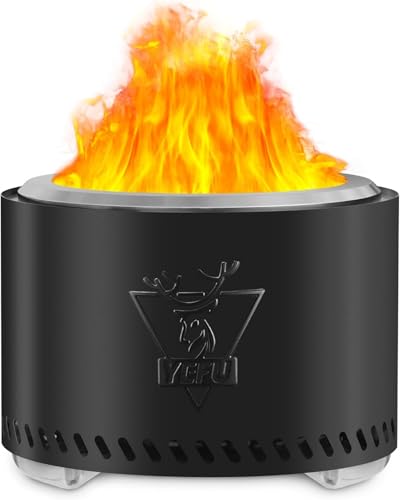
- Choose a double-walled smokeless design, which burns wood more completely.
- Or switch to gas. A gas fire pit table gives flames without smoke or ash. Our guide to rattan fire pit table sets explains how they work.
Compare wood and gas options in our fire pit tables range, or read our wider guide to choosing a fire pit for the garden.
Safety basics
Being legal is one thing, being safe is another. Use a fire pit on a hard, level, non-flammable surface, well away from fences, sheds, trees and overhanging parasols or gazebos. Never use a fire pit or gas burner indoors, in a garage or under a low canopy, because of the fire and carbon monoxide risk. Keep water, sand or a fire blanket nearby, never use petrol to light a fire, keep children and pets back, and never leave it unattended. Once it’s out and cold, pop a waterproof cover on it from our protective covers range. If you’d rather avoid flames altogether, a patio heater gives warmth without the smoke.
Fire pit rules UK: FAQs
Can my neighbour stop me having a fire pit?
Not on their own. They can complain to the council, which may act if the smoke is judged a statutory nuisance. Being considerate usually stops it getting that far.
What time can you have a fire in your garden in the UK?
There’s no legal time limit. But fires late at night or early in the morning, when windows are open or washing is out, are more likely to cause complaints.
Are gas fire pits allowed in smoke control areas?
Gas fire pits produce no smoke, so they’re the safest choice for keeping neighbours happy in any area. Check your lease or tenancy agreement for rules on gas bottles.
Can I have a fire pit in my garden during a heatwave or dry spell?
There’s no blanket legal ban, but in very dry weather sparks can start grass and hedge fires. Use extra caution, or choose gas, and follow any local fire service advice.